
Key Takeaways
- By 2026, the gap between thriving and struggling salons will largely come down to how they use smart technology—especially around booking, pricing, and client matching.
- “Tech” is no longer just online booking and Instagram; it now includes AI tools, data-driven pricing, and personality-based client-stylist matchmaking that can boost retention by 30-50%.
- Salons that delay modernizing their systems and client experience in 2024-2026 risk losing loyal clients to more “effortless” tech-enabled competitors.
- The future belongs to salons with strong leadership, clarity, and purpose—those who lead with vision and adapt confidently will define success in 2026.
- MYA (JoinMYA.com) represents a key example of smart client-matching technology that boosts conversion, increases retention, and helps stylists grow faster by connecting them with better-fit clients from the first visit.
- Cost control, efficiency, and service menu clarity are non negotiable for salons aiming to thrive in the evolving landscape.
- Salons with strong leadership, math-based pricing, and clear operational systems will outperform others.
- This article provides practical, concrete steps for opening or re-launching a salon in 2026 with tech as a core competitive advantage, not an afterthought.
Introduction
This guide is for aspiring salon owners, current salon managers, and stylists planning to open or modernize a salon in 2026. To succeed, it's essential to understand your target audience and tailor your approach to meet their specific needs, rather than simply following trends or algorithms. Understanding smart technology is critical for your success because it is now the primary factor separating thriving salons from those that struggle to attract and retain clients. As you look ahead, prepare for 2026 by planning, training, and updating your services to stay ahead of industry trends and ensure your salon is ready for the future. The right technology stack not only streamlines operations but also enhances the client experience, drives retention, and maximizes profitability in an increasingly competitive market.
What is Smart Technology in Salons?
Definition Box:
Smart technology in salons refers to AI-driven automation for scheduling, personalized marketing, inventory management, customer data analysis for tailored recommendations, and analytics to track performance and maximize revenue. The future salon industry will be characterized by a human-AI alliance, blending technology with human creativity.
What Does Smart Technology Include in the Salon Context?
In 2026, successful salons will leverage AI-driven automation for scheduling, personalized marketing, and inventory management. AI will analyze customer data for tailored recommendations, and top stylists will utilize analytics to track performance and maximize revenue. The industry will be characterized by a human-AI alliance that allows stylists to focus on creative work while technology handles routine tasks. AI-powered management systems, such as Zenoti, unify CRM, booking, and inventory management, making technology essential for staying organized, profitable, and focused.
What’s Changing by 2026: A New Divide Between Tech-Forward and Traditional Salons
Picture two salons opening in the same neighborhood in 2026. The first is booked solid for weeks, has strong retail sales, and enjoys a steady stream of repeat clients who rave about their experiences. The second sits half-empty despite talented stylists, struggling to fill chairs and wondering why word of mouth isn’t working anymore. The difference isn’t skill—it’s systems and smart technology.
Rising costs across the beauty industry are squeezing margins everywhere. Color prices keep climbing, rent never seems to drop, and payroll demands more attention than ever. Over the past year, there have been significant shifts in salon technology adoption, directly impacting how salons operate and plan strategically. Meanwhile, client expectations have shifted dramatically. People want convenience, flexibility, and what feels like an effortless experience. Walk-in traffic has slowed, and relying solely on Instagram posts and referrals simply doesn’t cut it anymore. Salons that prioritize 24/7 availability through AI-driven booking and messaging platforms will have a competitive advantage.
The truth is that in 2024-2026, salons with data, automation, and personalization will outpace those relying on gut feeling, manual booking, and inconsistent marketing. Industry audits from platforms like SalonScale suggest that salons without tech face 20-40% higher churn rates compared to their tech-enabled competitors. That’s not a small gap—it’s the difference between growth and struggling to keep the lights on.
Here’s what “smart technology” actually means in this context: it doesn’t replace human connection. It amplifies it. Tech removes friction, prevents mismatched appointments, and surfaces the right information at the right time. When done well, clients feel more connected to your salon, not less.
Several concrete shifts are driving this divide:
- Fewer people are entering the salon industry, making hiring harder
- More clients are price-shopping online before committing
- Tech-savvy suites and chains are capturing market share with seamless experiences
- Social media algorithms are increasingly unreliable for organic reach
Salon Technology Is No Longer Optional: The 2026 “Starter Stack”
Even a brand-new salon opening in 2026 needs a minimum tech “starter stack” to operate profitably from day one. This isn’t about chasing shiny tools—it’s about protecting your profit and creating the kind of experience clients expect.
| System | Purpose/Benefit |
|---|---|
| Online booking | Works 24/7 from any device, increasing accessibility and convenience for clients |
| Point-of-sale (POS) | Tracks services, retail sales, and payments for accurate financial management |
| Inventory management | Monitors product usage and prevents waste, ensuring cost control |
| Payroll and accounting integration | Enables clean financial operations and reduces administrative workload |
| Automated confirmations and reminders | Cuts no-shows and keeps clients engaged with timely notifications |
| Client notes and photo history | Accessible during every appointment for personalized service and consistency |
Beyond the basics, prioritize “smart” features that actually move the needle. Look for automated rebooking prompts that nudge clients before they forget. Track service timing to spot inefficiencies. Monitor product usage per service to understand true costs. Set up simple dashboards showing real KPIs: rebooking rate, average ticket, and new-to-repeat conversion.
When planning your tech budget, audit every subscription ruthlessly. Keep tools that save time, protect profit, or increase client retention. Cut “nice-to-have” vanity tools that don’t move numbers. Many owners discover they’re paying for platforms they barely use.
MYA fits into this stack on the front end as a client recruitment and matchmaking tool. It plugs into your salon’s website and works alongside your booking systems to ensure new clients connect with the right stylist from the start.
From “Just Open and Hope” to Data-Driven Launch: Planning a 2026 Salon
The old approach to opening a salon looked something like this: sign a lease, buy chairs, post on Instagram, and hope walk-ins arrive. In 2026, that strategy is a recipe for failing fast. The modern approach means planning with data, tech, and clear client journeys mapped out before you ever turn on the lights.
Start with pre-launch research that goes deeper than “there’s no salon on this block.” Analyze local demographics to understand who actually lives and works nearby. Map competing salons and read their Google reviews carefully—you’re looking for gaps. Common complaints like “hard to book,” “never answer the phone,” or “couldn’t get in with my usual stylist” reveal exactly where you can differentiate. Define your target client profile: age range, lifestyle, budget, preferred services. This clarity informs everything from your service menu to your hours of operation.
Before opening, build your client journey on paper. It should flow like this: Google search leads to your website, which features a quiz/match tool, which guides them to online booking, followed by automated reminders, then the in-salon visit, then follow-up text/email, and finally rebooking. Every step should feel intentional and seamless.
Tools like MYA let you collect pre-opening leads through a stylist-matching quiz, building an email and SMS list before your doors even open. Imagine having dozens of perfectly matched clients ready to book the moment you launch. From day one, track a few core numbers: new client count per month, conversion from website visit to booking, new-client rebooking rate within 90 days, and average visit frequency. These metrics tell you whether your marketing and systems are actually working.
Smart Booking and “Always-On” Service: Where Thriving Salons Win Clients
By 2026, booking friction is one of the biggest reasons clients leave. Missed calls, DMs sitting unread for hours, confusion about who to book with—each instance pushes potential clients toward competitors who make it easier.
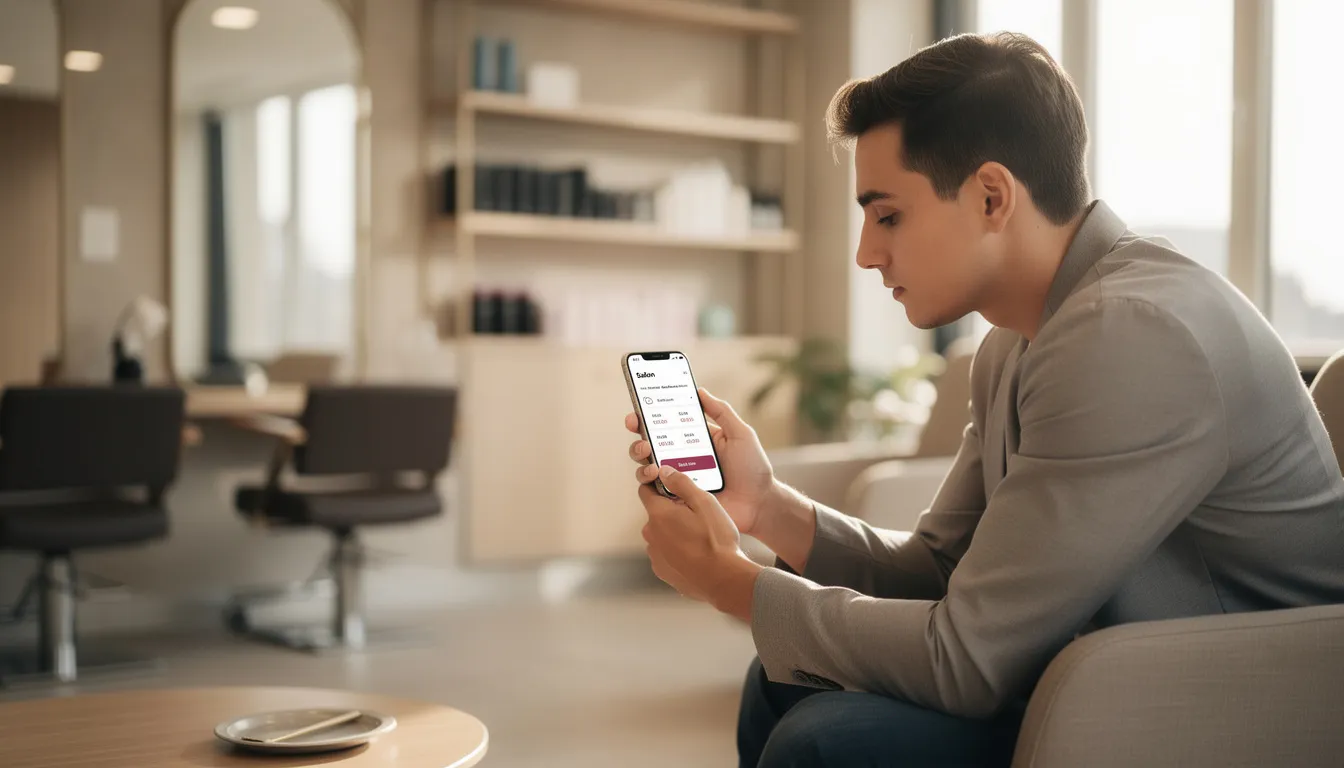
A modern, tech-forward booking experience looks dramatically different. It’s available 24/7 with responsive mobile design. Confirmations arrive instantly. Rescheduling takes seconds, not phone calls. Service names are clear, with estimated timing and price ranges visible upfront. Clients never have to wonder what they’re signing up for.
“Always-on” doesn’t mean you work around the clock. It means your systems handle the routine tasks while you rest. AI chat and smart FAQs answer most common questions automatically. Automated replies capture contact info when you’re unavailable. Humans focus on nuanced conversations and genuine hospitality.
Salons using AI reception or chatbots effectively deploy them for specific tasks: answering service questions, recommending services based on client input, capturing contact information, and directing guests to the quiz/matching tool. This approach reduces the burden on your team while ensuring no inquiry falls through the cracks.
Every missed call in 2026 is usually a lost client. Industry data shows that salons implementing automated reminders and smart booking see no-show rates drop from 15-20% to under 5%. That’s not just convenience—it’s revenue protection.
Stop Losing Perfect-Fit Clients: Personality-Based Matching as a Secret Weapon
Here’s a truth many salon owners miss: the real reason many new clients don’t return isn’t bad hair. It’s a poor match in communication style, vibe, or expectations between client and stylist. Stylists who confidently and empathetically communicate with clients are able to build trust, illustrate evolving services, and ensure clients feel valued and understood, which is essential for satisfaction. A quiet introvert paired with a high-energy, chatty stylist might leave feeling drained. A trend-obsessed client matched with a conservative, classic stylist might feel misunderstood. These mismatches happen daily in salons relying on “whoever is available.”
MYA solves this problem directly. It’s a quiz on your salon’s website that asks personality and preference questions—how much guidance clients want, their comfort level with chair conversation, budget expectations, maintenance preferences—and uses that information to match them with the best-fit stylist for their first visit.
The business impact is significant. Salons using AI client matching like MYA see first-visit satisfaction scores rise 35%, translating to 2-3x higher retention as clients bond with compatible stylists. Better matches mean more 5-star reviews, stronger rebooking rates, and less stylist burnout from dealing with mismatched clients all day.
Consider two quick examples. A low-maintenance, introverted professional who prefers minimal chat gets matched to a calm, efficient stylist who respects quiet time. Compare that to a highly social trend-chaser who loves experimenting, matched to a creative, chatty stylist who keeps up with every new technique. Both clients leave feeling “seen” and understood—not randomly assigned.
This tech separates thriving salons from struggling ones in a concrete way. Thriving salons create that “they get me” feeling before clients ever sit in the chair. Struggling salons leave it to chance. MYA integrates with your existing marketing and booking: visitors take the quiz on your site, receive their stylist match, and are guided to book or request a consultation. The experience feels curated, not chaotic.
Ready to improve client retention and transform your salon experience? See how MYA can help — Book a Free Demo Today.
Pricing, Profit, and Smart Metrics: Using Tech to Protect Your Bottom Line
Talent and full books don’t guarantee profit. Plenty of busy salons lose money because they price based on instinct or guilt rather than data. In 2026, smart salons use their systems to understand true costs and price accordingly. Price increases should be approached strategically, using a math-based approach and market evaluation to ensure both profitability and client satisfaction.
Core systems like POS and inventory trackers give you real numbers: cost per bowl of color, average time per service, revenue per hour. These aren’t vanity metrics—they inform pricing decisions that protect your margins. Salons that thrive will price based on cost-to-deliver, overhead, hours, and profit targets. Pricing must shift from emotion to math to ensure profitability in the salon industry. When you know a balayage takes 2.5 hours on average and uses a specific amount of product, you can price it profitably rather than guessing. Successful salons will focus on aligning their pricing with the value of the services they provide, and the salons that win will be led by owners who communicate clearly and maintain structure in their pricing strategies. Salons should also consider refreshing their service menu and pricing structure to attract new clients and increase revenue.
Tech allows you to monitor KPIs that actually matter: new-client retention after 3 visits, lifetime value per client, referral rates, and profitability per service type. A case study from ProBeauty AI highlighted a Texas salon that implemented smart client profiles and automated aftercare, boosting rebooking by 42% and retail sales by 28% within six months. That’s the power of intentional data tracking. When evaluating retail sales, it’s also crucial to select and align retail brands with your salon’s overall vision, goals, and values to support your business and brand identity.
MYA indirectly boosts these numbers by increasing the percentage of new clients who become loyal regulars. When clients are matched correctly, they return. When they return consistently, lifetime value climbs without extra ad spend. It’s growth through retention, not just acquisition.
Build simple monthly routines into your operating rhythm: export reports, review top and bottom-performing services, audit stylist capacity, and adjust pricing or promotions with intention rather than panic. The salons that track this data consistently outperform those running blind.
Team Structure in a Tech-Enhanced Salon: Solo, Commission, or Hybrid?
Employment models in the beauty industry are evolving rapidly. Rental salons, commission structures, hybrid models—each has advocates. By 2026, the winning model has less to do with the pay label and more to do with the systems and support behind it. Hybrid salons are increasingly bringing multiple compensation and employment options under one roof, offering stylists diverse working arrangements within a single salon space to attract and retain top talent.
Solo and rental stylists face real challenges: time spent on admin, marketing, and client communication eats into earning hours. Many owners and independents lack capacity to adopt advanced tech on their own. They’re motivated to find solutions but overwhelmed by options.
Team-based or hybrid salons that invest in shared technology—booking systems, AI reception, MYA matching, marketing funnels—attract stylists tired of doing everything themselves. This is your competitive advantage when hiring. Stylists increasingly evaluate opportunities based on the tools and lead flow a salon provides, not just commission rates.
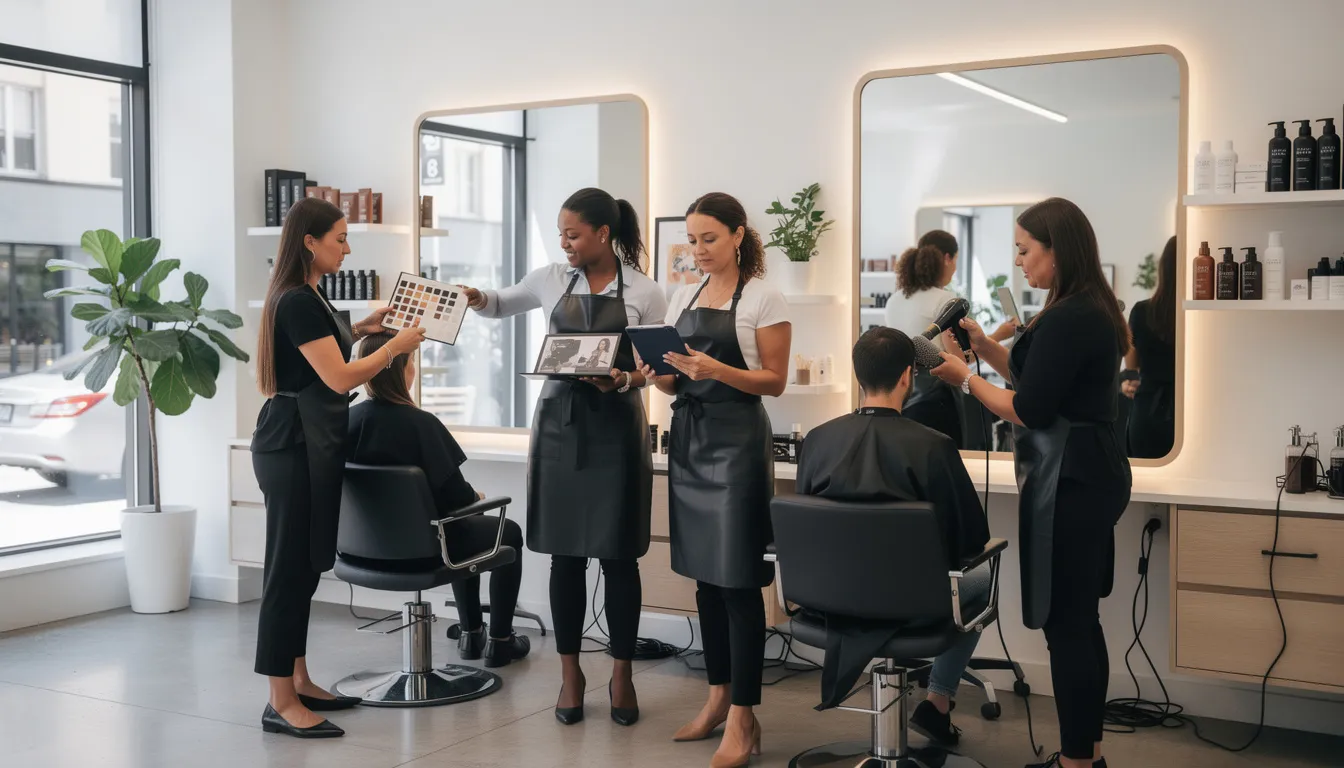
When planning a new salon, define a clear value proposition for your team: access to smart tools, strong lead flow, and better-fit clients that help them grow income faster. The stylists who join will bring more balance to their careers and more confidence in their growth trajectory.
Culture matters here too. Tech should support education, mentorship, and collaboration—shared dashboards, accessible client notes, training on reading data. The goal is empowerment, not surveillance. Build a structure where technology makes everyone’s job easier, not more stressful.
Note: Hybrid models carry legal implications that vary by location. Consult local employment laws and a qualified professional before implementing any new team structure.
Designing a Memorable, “Effortless” Client Journey with Smart Tech
In 2026, “luxury” doesn’t mean chandeliers and champagne. It means effortless: no confusion, no chasing confirmations, no awkward first visits where nobody knows what the client wants.
The ideal client journey flows smoothly from discovery to loyalty. It starts when someone finds you through Google or social media. They land on your website and encounter a quiz—MYA’s personality-based tool—that helps them discover their perfect stylist match. They receive an instant recommendation and book online without phone calls or DMs.
Before their visit, automated reminders keep the appointment top of mind. Digital consultation forms collect preferences, concerns, and inspiration photos—all stored in the client profile. When they arrive, their stylist already knows their style goals, maintenance level, and communication preferences. No awkward small talk trying to figure each other out.
After the appointment, personalized follow-up lands in their inbox or texts. Automated reminders suggest when it’s time to rebook based on their service cycle. Targeted offers relate to their previous services—not generic blasts about treatments they’d never consider.
This journey serves everyone. Clients feel calm, clear, and confident walking in. Stylists feel prepared, not guessing, with less emotional labor spent aligning expectations. The experience feels curated because it is curated. Tools like MYA set that tone before the first visit ever happens, framing your salon as intentional and professional from the very first click.
Future-Proofing Your 2026 Salon: A Simple Action Plan
The salon industry isn’t collapsing—it’s evolving. Demand for quality services remains strong. The community of beauty professionals continues growing. There’s still time to get ahead if you act deliberately.
Start with a 30-60-90 day roadmap. In your first 30 days, audit current systems and identify the biggest friction points. Are clients complaining about booking? Are new visitors bouncing from your website? Is retention weak despite great services? Clarify your ideal client profile and brand position. Define who you serve best.
Days 30-60 focus on upgrades. Improve your booking process and website experience. Implement MYA or similar smart tools to attract and match clients effectively. Train your team on the new tech and the communication strategies that make it work.
By day 90, establish routines. Schedule quarterly reviews: tech audit, pricing updates, client feedback review, and team input on what’s working. Create a culture of continuous improvement rather than reactive firefighting.
Start small. Fix the biggest friction point first—typically booking accessibility, response time, or poor client-stylist matches—instead of trying to overhaul everything at once. Perfect is the enemy of progress. Many owners wait for the ideal moment that never comes. The salons who blend human warmth with intelligent systems will be the ones thriving, hiring, and growing by late 2026.
How MYA Helps Salons Retain More Clients and Grow Faster
MYA, available at JoinMYA.com, is a matchmaking and marketing platform designed specifically for salons, spas, barbershops, and other beauty businesses. Its purpose is simple: connect new clients with the right stylist on their very first visit.
Here’s how it works in practice. Visitors land on your salon’s website and encounter a quick, engaging quiz. They answer questions about personality, communication style, budget comfort, maintenance preferences, and service goals. MYA’s algorithm processes these responses and recommends the stylist who best fits their profile. Then it guides them toward booking—seamlessly, without confusion.
| Benefit | Description |
|---|---|
| Increased website-to-booking conversion | Visitors engage with the quiz and are more likely to book rather than bounce |
| Higher new-client retention | Better first-visit experiences lead to more clients returning |
| Stronger online reviews | Natural-feeling matches result in more positive feedback |
| Faster stylist income growth | Loyal client bases help stylists grow their income more quickly |
| Reduced stress | Fewer mismatched expectations mean less tension for staff and clients |
MYA functions as both marketing and client recruitment software. It doesn’t just “take bookings”—it helps attract and filter the right clients so you stop losing them to misalignment or confusion. Salons implementing personality-based matching report 30-50% retention gains, positioning them to grow faster amid 2026’s tech mandate.
Ready to improve client retention and transform your salon experience? See how MYA can help — Book a Free Demo Today.
FAQ: Smart Technology and Starting a Salon in 2026
Do I need all this technology if I’m just opening a small, two-chair salon?
Even micro-salons benefit from a lean tech stack. Online booking, basic POS, and at least one tool that helps with client communication and retention—like text reminders and a matchmaking quiz—make a measurable difference. The goal isn’t stacking tools; it’s using a few smart ones that handle repetitive tasks and fill your book with the right clients. Starting small with scalable tools beats waiting until chaos forces change.
How much should I budget for salon technology in my first year?
A practical guideline is setting aside 3-5% of projected revenue for software and digital tools. Prioritize platforms that directly influence revenue and retention—booking, payments, and client matching—before investing in advanced extras. Build an annual review into your budget so tools that don’t deliver ROI can be cut and replaced without guilt.
Will smart tech replace my front desk or my personal touch?
Technology should handle routine, low-emotion tasks like booking confirmations, reminders, and basic questions. This frees humans to focus on hospitality, consultation, and problem solving. Many salons keep a leaner front desk team but elevate the role to “experience curator” rather than phone answerer. Tools like MYA actually deepen human connection by helping stylists start with better context and alignment—not scripts.
Can I add tools like MYA to an existing salon, or is it only for new openings?
MYA works for both brand-new salons and established businesses looking to boost new-client flow and retention. Existing salons typically roll it out by updating their website, promoting the quiz on social media and in-salon, and training the team on how to discuss the matching process with clients. Many established salons use MYA to revive slow books, gather better client data, and move away from “whoever’s free” appointment assignment.
Where should I start if I feel overwhelmed by all this?
Start by mapping your current client journey on paper. Circle the most frustrating points for both clients and your team. Then solve one problem at a time: first booking accessibility, then client-stylist matching, then automated follow-up. Don’t try to fix everything simultaneously. That’s exactly where MYA can help guide priorities and provide an easy, high-impact first upgrade.
Ready to improve client retention and transform your salon experience? See how MYA can help — Book a Free Demo Today.
Related Posts
8 Proven Strategies to Optimize Your Salon Website for Maximum Conversion
A website is your digital storefront, a 24/7 salesperson working tirelessly to attract new clients and retain existing ones. But is your website as effective as it could be? In today's competitive beauty industry, a website that simply looks good isn…
Tired of Losing Clients After One Visit? Here’s What’s Missing in Your Booking Process
Introduction: Why This Guide Matters for Salon Owners and Managers Are you tired of losing clients after one visit and wondering what’s missing in your booking process? If you’re a salon owner, manager, or beauty business professional, you’re in the …
Top 5 Tools Every Modern Salon Owner Needs to Succeed
Introduction: Why Today’s Salons Need More Than Great Scissors In today’s beauty industry, success is about more than just technical skill or a stylish space. Modern salon owners must leverage a mix of digital and physical tools to succeed in the bea…
A Step-by-Step Guide to Opening a Hair Salon
The beauty industry is worth more than $60 billion yearly and the hair service business is the largest sector, with 86,000 outlets throughout America. Despite the economic downturn there is usually very few shortages in hair changing services, especi…
Comments
0 Comments